The hiss of the fryer hasn't changed. Almost everything around it has. Walk into a decent chippy in 2025 and you're as likely to see a note about fishing grounds and packaging as a handwritten board of prices. Sustainability used to be a conference topic for the trade. Now it turns up in the queue: which fish, which fishery, which box, and what happens to the oil afterwards.
None of this happened overnight, and not every shop has moved at the same speed. But the direction is clear, and it's worth knowing what's behind the changes the next time you're standing at the counter.
Where the fish comes from
For decades, a chippy's fish order was a simple transaction: cod or haddock, whatever the wholesaler had that morning, at the best price going. That still happens. But more shops now know the name of the fishery their fish came from, and some can tell you the boat.
Two things pushed it along. Customers started asking, and supply got harder to predict. Quotas, changes in stock, fuel costs and the general unpredictability of catching fish at sea have made the cheapest option less reliable than it once was. Shops that built a relationship with one supplier, or joined a buying group with other shops, found they could plan further ahead.
Frozen at sea is part of the picture too. Fish frozen on board soon after catching holds its quality well, and it gives a shop more flexibility than a fresh delivery that has to be sold within a day or two. Plenty of chippies now run both: fresh fillets for the Friday and Saturday rush, frozen for the quieter midweek trade.
What certification actually tells you
Certification has become the trade's shorthand. The blue fish tick from the Marine Stewardship Council is the mark most customers recognise. It means the fishery has been assessed against a standard, and that the shop can trace the fish back through a certified chain of custody. Seafish, the industry body, publishes guidance and runs training for shops working through that process.
Fishery improvement projects, usually shortened to FIPs, are the other route. These are fisheries that aren't certified yet but are working towards it, with a named set of changes to make. Some shops buy from a FIP and say so on the board.
A few things worth knowing before you read too much into a logo:
- A certification mark tells you the fish came through a certified supply chain. It doesn't mean everything else about the shop is perfect.
- Some shops buy certified cod and haddock but not certified alternatives. Ask about the exact fish you're ordering.
- "Sustainably sourced" on a menu with no logo and no named fishery is a claim, not a guarantee.
- The Marine Conservation Society's Good Fish Guide is free to check, and useful if you want to look up a species yourself.
Packaging: smaller, simpler, still awkward
Packaging may be the change customers notice most. Polystyrene trays and lidded boxes have been retreating for years, nudged along by single-use plastic restrictions across the UK and by customers who don't want a fork they'll use once and bin. In their place you'll find paper wraps and bags made from recycled or certified board, wooden or reusable forks, and in some shops a deposit scheme for reusable containers.
It isn't simple, and anyone who tells you otherwise hasn't tried to buy the stuff. A lot of "compostable" packaging only breaks down in an industrial composting facility, so if your council doesn't collect food waste or compostables, that box is heading for landfill like any other. Grease-resistant coatings that are genuinely recyclable at kerbside are still hard to find at a price a small shop can absorb.
The honest position for most chippies is: use less, choose simpler materials, and put a clear sign on the wall telling customers what to do with what they're holding.
The menu is wider than cod and haddock
Cod and haddock still dominate, and they will for a while. Habit is strong, and the fryer at the front of the shop is set up for a thick, flaky fillet. But the menu around them has opened up.
Other species
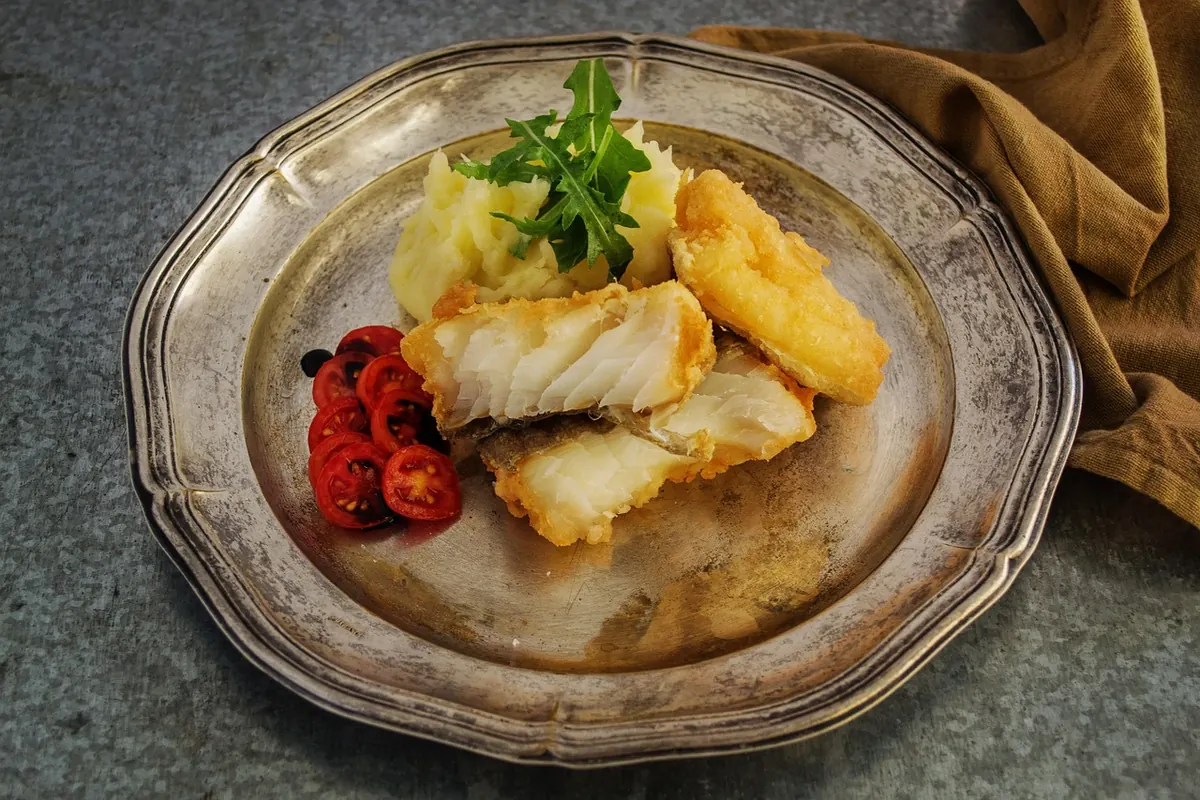
Hake, pollock, coley and various flatfish turn up more often now, sometimes as "the other fish" on the board and often a little cheaper. The shops doing this well run one alternative at a time as a weekly special, cooked exactly the same way, with staff who can tell you what it tastes like before you commit.
Sides and plant-based options
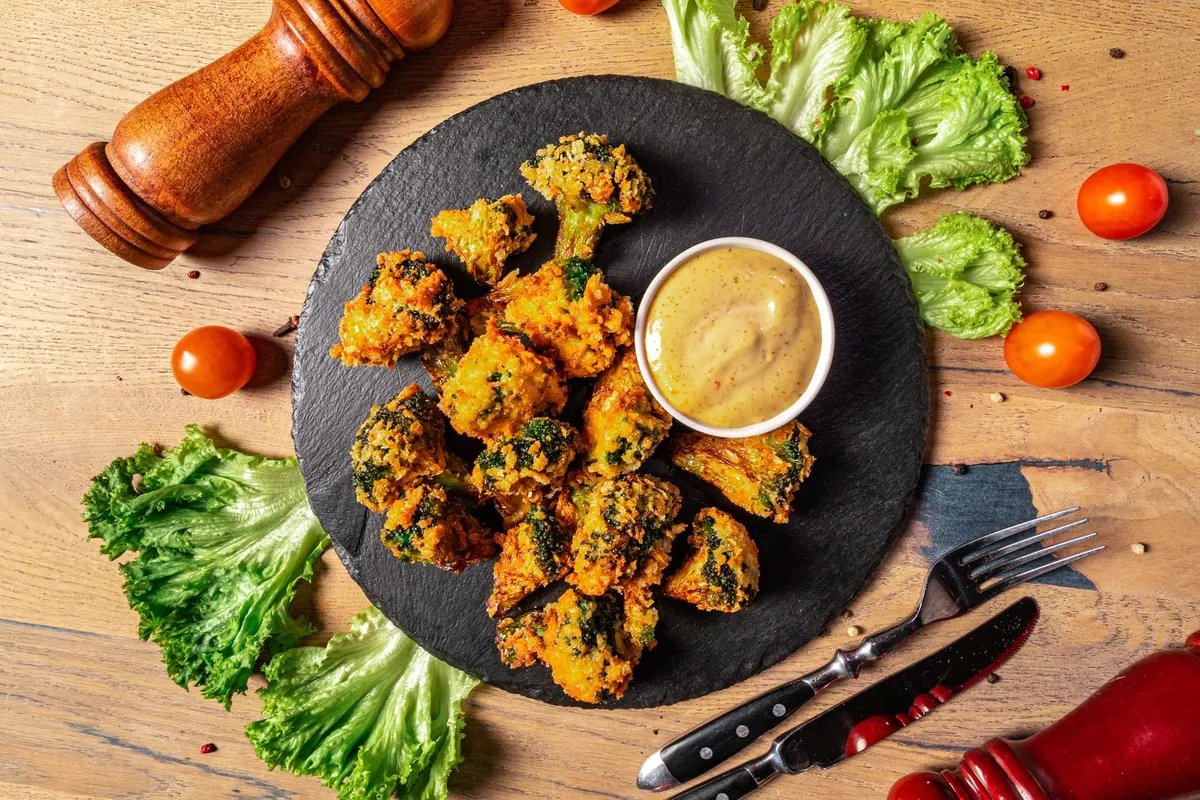
Battered halloumi, vegan "fish" made from banana blossom or tofu, and mushroom options have moved from novelty to normal in many shops. Most chippies buy British potatoes, and chips are usually vegan, but check the oil and the batter if that matters to you. Beef dripping and beer batter are both still in everyday use.
Oil, energy and the bills behind the counter
Behind the counter, the sustainability conversation is often really a cost conversation. Frying oil, gas, electricity and waste collection are the bills that hurt, and every one of them has climbed. Shops have responded with better oil filtration so a batch lasts longer, tighter temperature control, and in some cases a switch to higher-oleic oils that stand up to long frying sessions. Used oil goes to a biodiesel collector rather than down the drain. Fryers and extraction hoods get serviced more regularly, because a badly maintained fryer burns gas all day long.
All of that costs money, and some of it shows up in what you pay. That's worth remembering when a portion costs noticeably more than it did a few years ago. Certified fish, decent packaging, proper staff and a serviced kitchen don't leave a lot of room to absorb rising costs quietly.
How to spot a chippy that means it
You don't need to interrogate anyone. A few quick questions tell you a lot, and most good shops are happy to answer them:
- Ask which fishery the cod came from. A name or a region is a good sign. A shrug is an answer too.
- Look for a certification mark or a FIP note on the wall, then check it covers the fish you actually ordered.
- Ask how the packaging should be disposed of. Shops that have thought about it will know.
- See whether more than one species is on the board. It suggests the kitchen is willing to cook beyond the default.
- Ask what happens to the used oil. Most shops are proud of this one.
The move towards better sourcing across the trade has been gradual, uneven and driven mostly by shops deciding it was worth doing. No single visit will settle the question, and no shop gets everything right. But a chippy that can answer those five questions is one that's paying attention, and that's a reasonable place to start. If you're ordering for someone with a food allergy, ask staff directly and check the written allergen information before you buy.
Photo: HieuNghiaMini / Pixabay